Heat Styling
Curling Iron vs. Curling Wand: Which One You'll Actually Use
Barrel shape, clamp and diameter determine the curl you get — and how long it takes. A practical comparison for anyone buying their first or fifth one.
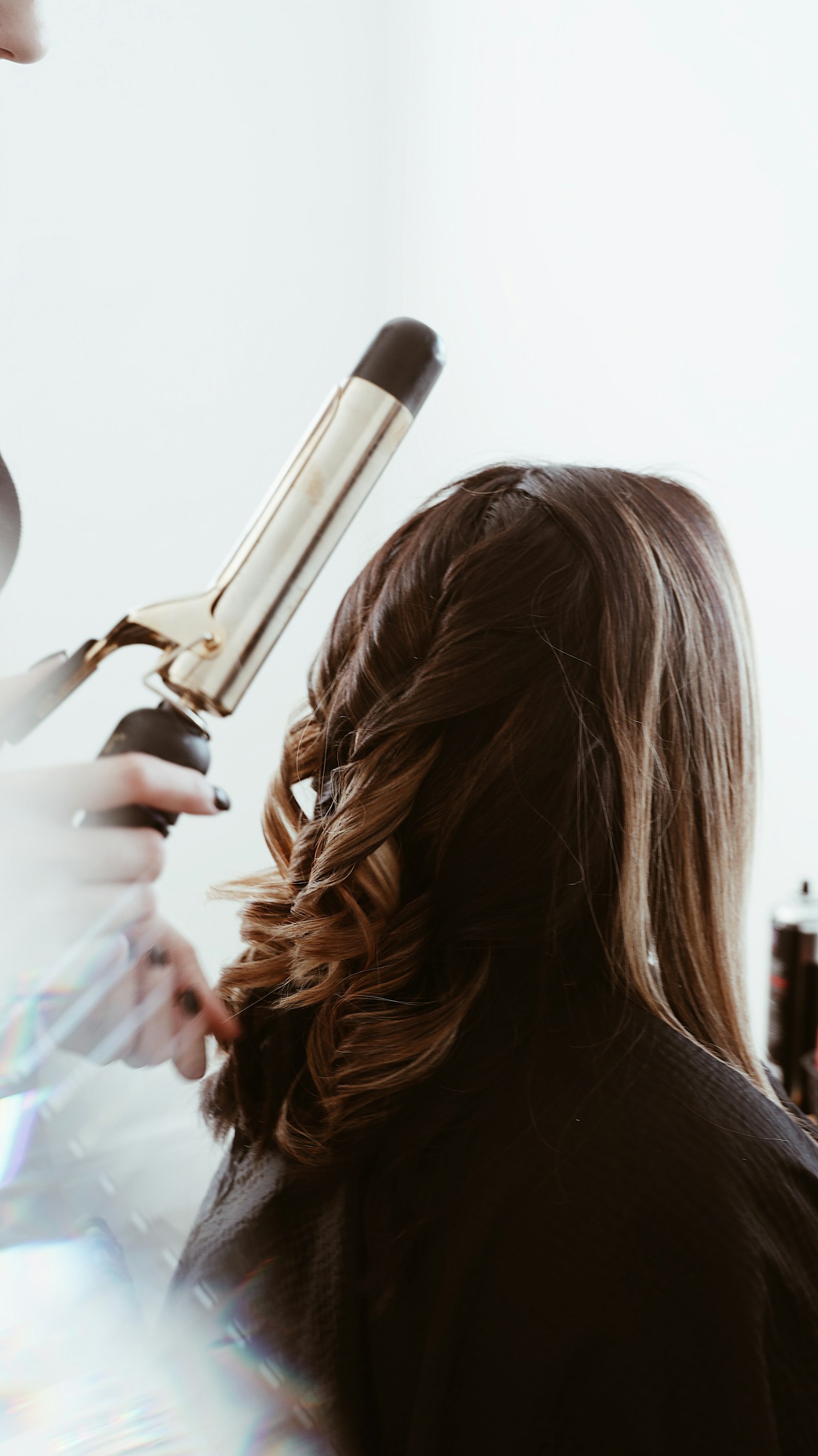
The difference between a curling iron and a curling wand is a clamp. That seems small until you have tried to wrap a section of hair around a hot barrel with nothing holding the end.
The clamp is not a beginner feature you graduate from. It changes what the tool is good at.
The three variables that matter
Barrel diameter determines curl size. This is the single most important choice.
| Diameter | Result | Best for |
|---|---|---|
| 0.5 in | Tight ringlets | Specific looks, not everyday |
| 0.75 in | Defined curls | Short hair, texture |
| 1 in | Classic curls | Most hair lengths |
| 1.25 in | Soft waves | Everyday, longer hair |
| 1.5 in+ | Loose bends | Very long hair, blowout effect |
Barrel shape matters more than most buyers realise. A straight barrel produces uniform curls; a tapered barrel produces a curl that is tighter at the root and looser at the end, which reads more natural.
Material affects heat consistency. Ceramic and tourmaline coatings heat evenly and cool slowly; bare metal heats fast and can develop hot spots. Titanium heats fastest and holds temperature best, which is why it is common in professional tools.
The practical difference
Curling iron (with clamp)
- Holds the section while you wrap
- Easier to use on shorter hair and at the back of the head
- Produces a more uniform curl
- Faster for most people once learned
- Can leave a visible clamp mark if you hold too long
Curling wand (no clamp)
- Requires you to hold the end, or use a glove
- Produces more natural, less uniform curls
- Better for long hair, where control is less of an issue
- Harder to use on short hair
- Slower to learn, faster once mastered
Temperature guidance
Temperature matters more than the tool. Most damage comes from using maximum heat on hair that does not need it.
| Hair type | Range |
|---|---|
| Fine, damaged, colour-treated | 250–300°F |
| Fine to medium, healthy | 300–350°F |
| Medium to thick | 350–400°F |
| Coarse, resistant, textured | 400–450°F, sparingly |
Above 450°F is a damage tool, not a styling tool. Adjustable temperature is not a luxury feature.
What to check before buying
Does it have a stand? A curling iron that cannot stand on the counter while hot is a burn waiting to happen.
Is the cord swivel? Non-swivel cords tangle at exactly the wrong moment.
Does it heat in under 60 seconds? Anything slower encourages you to skip the tool.
Is the tip cool? Insulated tips let you steady the barrel with your other hand, which halves the learning curve.
Auto shut-off? Not a gimmick. Curling irons are the most commonly left-on hot tool.
On the “damage” question
Heat styling damages hair; that is not in dispute. The variables that determine how much:
- Temperature — largest factor by far
- Number of passes — two passes at 350°F beat four at 300°F
- Hair wetness — never on wet hair, ever
- Protectant — helps, but does not license maximum heat
- Frequency — daily high heat is cumulative regardless of technique
A 1-inch ceramic iron at 320°F used three times a week will do less damage than a 1.5-inch titanium wand at 450°F used daily. The tool is not the variable; the habit is.
Which to buy first
If you are buying one: a 1-inch curling iron with a clamp and adjustable temperature. It covers the widest range of looks, is the easiest to learn, and works on most hair lengths.
If you already own a clamp iron and want more natural waves: a 1.25-inch tapered wand.
If you have short hair: stay with the clamp. Wands are genuinely harder below shoulder length.
Bottom line
Diameter decides the look, the clamp decides the difficulty, and temperature decides the damage. Buy a 1-inch clamp iron first; add a wand once you know what curl you actually want.
Links here go to retailer search results — check barrel diameter and temperature range on the listing, since model names change frequently.
Tested Glow may earn a commission from links on this page. We have not performed instrumented heat-damage testing; temperature guidance reflects widely published professional recommendations.
Frequently asked
What barrel size for loose waves?
1.25 to 1.5 inches for loose, brushed-out waves. One inch gives defined curls, and anything under 0.75 inch produces ringlets that read as a specific look rather than an everyday one.
Can I use a curling iron on wet hair?
No. Water inside the hair shaft turns to steam at styling temperatures, which causes structural damage no heat protectant prevents. Rough-dry first.
Do I need a clamp if I'm not coordinated?
Yes, generally. The clamp holds the section while you wrap, which removes the hardest part. Wands produce more natural results but demand more control.