Base Notes
Foundation That Survives a Full Los Angeles Day
Heat, dry air and a twelve-hour day break most bases by lunch. What to look for in formula, finish and shade matching when your face has to hold up outside.
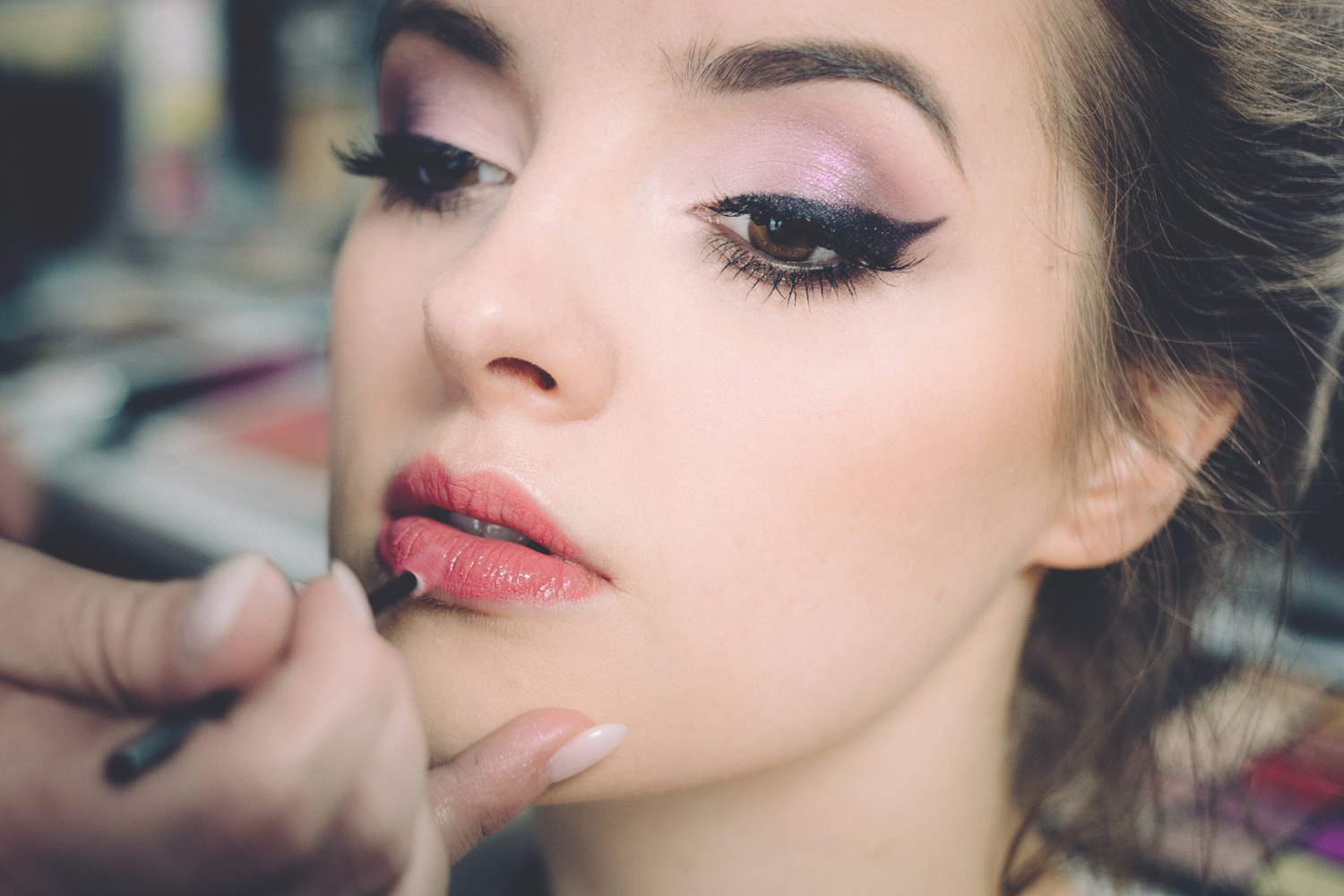
Los Angeles is unusually good at breaking foundation. The city manages to be both dry and hot, which is the hardest combination for a base: dry air pulls water out of the formula and makes it settle into texture, while heat drives sebum production that dissolves it from underneath.
Add a twelve-hour day and you have the conditions where most foundations fail between hour four and hour six.
This is about choosing a base that holds, and about the application habits that matter more than the formula.
Understand your base type before shopping
The single biggest cause of foundation disappointment is buying for the wrong skin type.
| Skin type | What fails | What to look for |
|---|---|---|
| Dry | Settles into flakes, looks patchy by midday | Water-based, glycerin high in the list, dewy or natural finish |
| Oily | Slides, separates around the nose and chin | Silicone- or ester-based, matte or satin, oil-free |
| Combination | Different failure on each zone | Natural finish, buildable, applied thin |
| Mature | Emphasises fine lines and pores | Lightweight, luminous, no heavy powders |
If your T-zone and cheeks behave differently, that is normal — combination is the most common skin type and the one most foundation ranges serve worst. Applying a mattifying primer only to the T-zone works better than buying two foundations.
Finish, honestly
Matte photographs well and controls shine, but in dry heat it emphasises every flake and looks flatter than skin by late afternoon.
Dewy looks fresh and photographs badly under direct flash, which matters if you are shooting content.
Natural / satin is the most forgiving in this climate. It reflects a little light without looking wet, and it degrades more gracefully than either extreme.
For most people in Los Angeles, natural finish with a light setting powder only where you need it outperforms both full matte and full dewy.
Coverage versus buildability
“Full coverage” describes the first layer, not the product’s ceiling. A sheer formula applied in three thin layers usually looks better than a full-coverage formula applied once, because thin layers let you control where the coverage lands.
The practical test: apply one pump to the centre of the face, blend outward, and stop. If you need more, add a second layer only where you need it — under the eyes, around the nose, on any redness. That is how base looks like skin rather than a mask.
Shade matching that actually works
- Test on the jaw, not the hand. Hand skin is a different colour and a different texture.
- Test in daylight. Store lighting in Los Angeles is often warm and will make everything look pinker than it is.
- Wait ten minutes. Foundation oxidises. The shade you swatch is not the shade you will wear at noon.
- Check in a phone photo. Front camera, no filter, outdoor light. Camera sensors catch mismatch that eyes forgive.
- Go slightly lighter if you are between shades. Oxidation darkens, so the lighter option usually lands closer after a few hours.
Application changes everything
The same foundation can look like skin or like plaster depending on how it goes on.
Use less than you think. One pump is enough for most faces. Two pumps is a full-coverage look that will separate by afternoon.
Apply with fingers for cream formulas. Body heat helps the formula melt into the skin. Brushes and sponges are better for liquid foundations with a volatile solvent base.
Work in sections, not all at once. Forehead, then each cheek, then the centre. Foundation that starts to set before you blend will streak.
Do not powder everything. Powder only where shine actually develops — typically the nose, the centre of the forehead and the chin.
Setting and touch-ups
A setting spray does more for longevity in dry heat than powder, because it re-wets the film and lets it set as one layer. Powder on top of powder is what creates the “cakey” look people blame on the foundation.
For touch-ups, blot first, then powder. Adding powder to oil is what produces texture.
What to spend on
Worth paying for: shade range and undertone accuracy. If you cannot find a true match, no amount of technique fixes it. A brand with forty shades and honest undertones is worth more than a better formula in five shades.
Save on: primers, most setting sprays, and brushes. A basic synthetic brush and a drugstore setting spray do the job.
A note on testing: we have not run wear tests under controlled conditions. Everything here is based on published formulation information, cosmetic chemistry and standard application practice. Individual wear time varies enormously with skin type, climate and activity.
Bottom line
Match the formula to your skin type, choose a natural finish, apply thin layers, and powder only where you shine. In this climate, technique beats price by a wide margin.
Links on this page go to retailer search results, because foundation shade availability changes constantly and listing prices are rarely stable.
Tested Glow may earn a commission from links on this page. We have not performed controlled wear testing, and no brand reviewed this article.
Frequently asked
Should I match foundation to my neck or my jaw?
Jaw, then verify against the neck in daylight. Match the jawline and blend downward — matching to the neck alone often produces a face that looks lighter than the body once oxidation sets in.
Why does my foundation turn orange after a few hours?
Oxidation. Pigments and oils react with air and sebum and darken over time. A primer designed for your base type slows it, and a shade matched slightly lighter reduces the visible shift.
Is SPF in foundation enough for daily sun protection?
No. You would need roughly seven times the normal amount of foundation to reach the labelled SPF. Treat SPF in base as a small bonus and wear a dedicated sunscreen underneath.