Oil Logic
Hair Oils: Where They Help and Where They Just Make It Greasy
Oils seal, they don't moisturise. Applied to the wrong part of the hair or the wrong hair type, they produce exactly the greasy result people complain about.
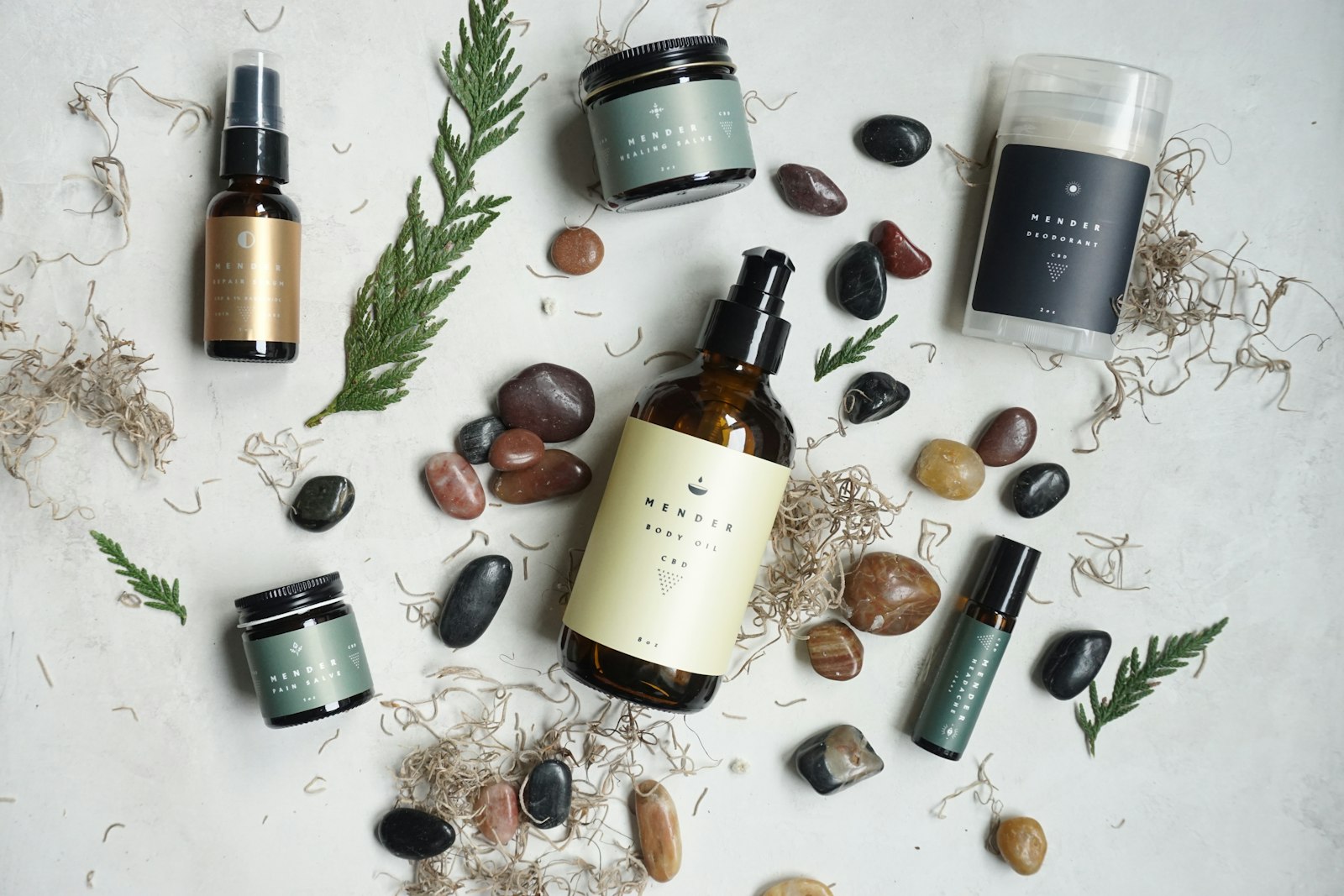
Hair oil is sold as a moisturiser. It is not. It is a sealant, and that distinction determines how to use it.
What oil does
The hair cuticle is a layered surface. When it is smooth and closed, light reflects evenly and the hair looks shiny. When it is raised — from damage, heat, or wetness — it looks rough and feels dry.
Oil coats the cuticle, smoothing it and slowing water loss. That produces shine and softness. It does not add water, and it cannot repair a damaged cortex.
Where it helps
Ends. The oldest, driest part of the hair. Oil here seals and reduces split-end appearance.
Before washing. Applied to ends 20 minutes before shampooing, oil protects against surfactant stripping.
On damp hair, before drying. Seals in the water already present.
On coarse or textured hair. Heavier oils suit denser hair types.
Where it hurts
On the scalp, unless the scalp is genuinely dry. Oil feeds Malassezia, which is behind most dandruff.
On fine hair near the roots. Greasy immediately.
On hair that is already coated with silicone products. Layers produce buildup, not shine.
As a replacement for conditioner. It does not detangle or provide the slip that conditioners do.
Choosing by hair type
| Hair type | Oil | Notes |
|---|---|---|
| Fine | Squalane, lightweight silicone serum | Ends only, a drop |
| Medium | Argan, marula | Small amount, mid-length to ends |
| Thick, coarse | Coconut, castor (diluted) | Can take more |
| Curly, textured | Jojoba, castor blends | Sealing after leave-in |
| Colour-treated | Argan, squalane | Avoid heavy oils near roots |
Application
Warm one to three drops between palms. Press and smooth through the ends, not the roots. Comb through with fingers.
On damp hair, apply before styling. On dry hair, apply only to ends and only if they look dry.
Storage
Polyunsaturated oils (rosehip, evening primrose) oxidise quickly. Small bottles, cool and dark. If it smells rancid, discard — oxidised oil is worse than none.
Bottom line
Hair oil seals; water hydrates. Use it on ends, on damp hair, matched to your hair weight. Keep it off the scalp unless the scalp is dry rather than flaky.
Links on this page go to retailer search results — check whether the product is pure oil or a silicone-based serum, since the two behave differently.
Tested Glow may earn a commission from links on this page. No brand reviewed this article.
Frequently asked
Do hair oils moisturise?
No. They seal the cuticle and slow water loss. Moisture has to come from water, which is why oil works best on damp hair.
Can I put oil on my scalp?
For dry scalp, occasionally. For dandruff, no — oil feeds the yeast involved.
Which oil for fine hair?
A lightweight one like squalane or a silicone-based serum, applied only to the ends. Heavy oils weigh fine hair down immediately.