Ingredient Check
Buying Vitamin C: The Label Tells You Less Than You Think
Concentration, pH, packaging and derivative type determine whether a vitamin C serum does anything. Most labels disclose one of four.
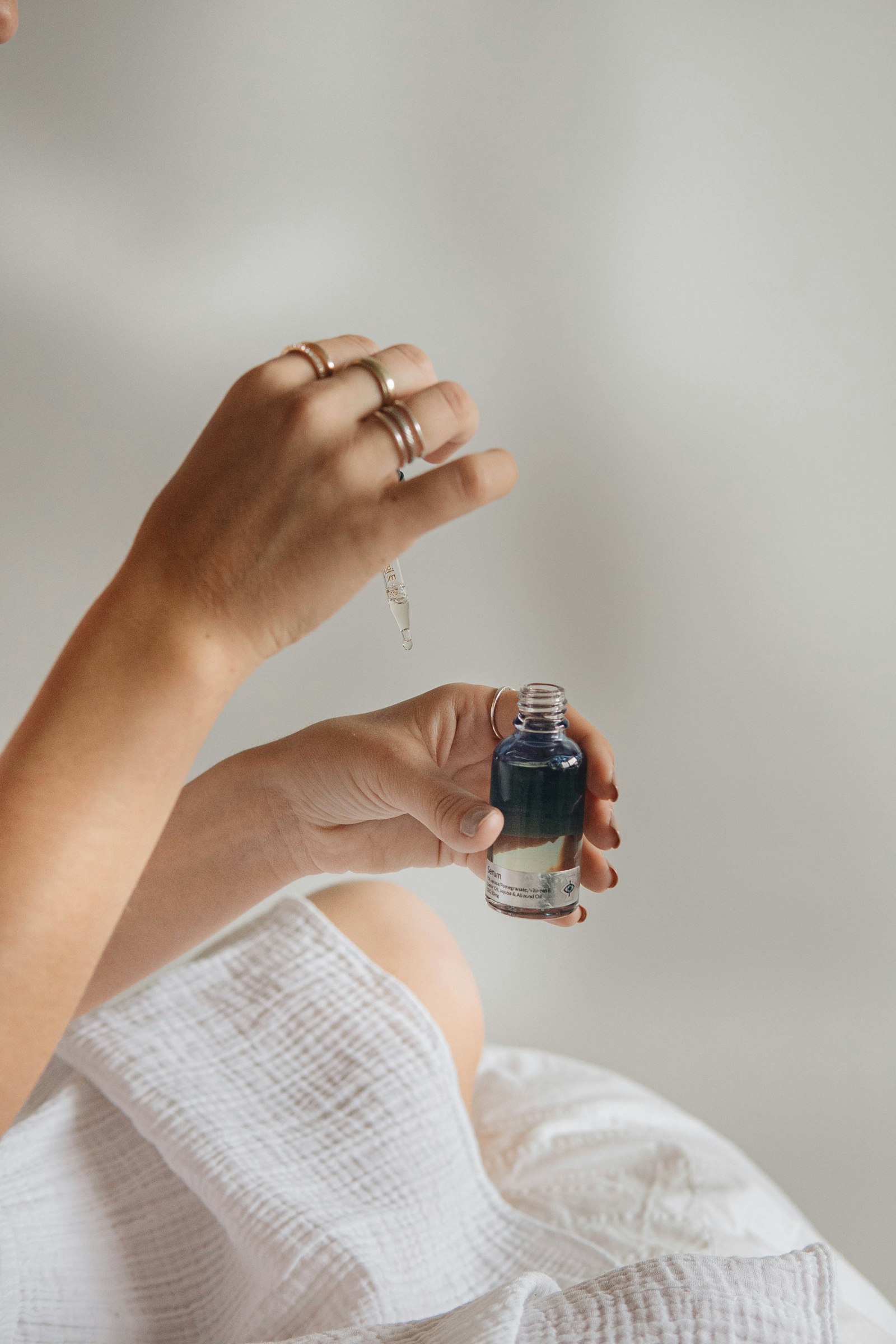
Vitamin C is the most oversold active in skincare and the most frequently degraded before it reaches your face. Both problems start with the label.
The four things that matter
1. The form. L-ascorbic acid is the gold standard — the form used in most research. Derivatives (sodium ascorbyl phosphate, magnesium ascorbyl phosphate, ascorbyl glucoside, tetrahexyldecyl ascorbate) are more stable and gentler but require conversion and are generally weaker.
2. The concentration. For L-ascorbic acid, 10–20%. Below 8% is mostly a surface antioxidant; above 20% irritation rises faster than efficacy.
3. The pH. L-ascorbic acid needs pH below 3.5 to penetrate. At pH 5 it is largely inactive regardless of concentration. The label rarely states pH, which is the single biggest disclosure gap in the category.
4. The packaging. L-ascorbic acid oxidises on contact with light, heat and air. Opaque glass or an airless pump with a darkened body is not marketing — it is the difference between a working serum and an expensive orange liquid.
The packaging test
If a serum is:
- L-ascorbic acid at 15%
- In a clear dropper bottle
- Stored in a warm bathroom
…it has probably lost most of its activity before you finish the bottle. This is not a hypothetical; it is the most common failure mode in the category, and it explains a large share of “vitamin C didn’t work for me” reports.
How to tell if it has degraded
| Sign | Meaning |
|---|---|
| Clear → pale yellow | Early oxidation, still usable |
| Yellow → orange | Substantially degraded |
| Orange → brown | Inactive |
| Sour or metallic smell | Degraded |
| Visible separation | Discard |
A serum that has darkened is not “stronger”. It is spent.
Derivatives, honestly
The derivatives exist because L-ascorbic acid is difficult to formulate. They are:
- More stable in normal packaging
- Less irritating
- Less potent
- Less well supported by research
If your skin cannot tolerate a pH 3.3 serum, a derivative is a reasonable compromise. It is not equivalent.
How to use it
Morning, on clean skin, before moisturiser. Antioxidant protection is most useful during daylight.
Wait 60 seconds before the next layer, especially if you use a high-pH moisturiser.
Always follow with sunscreen. Vitamin C does not replace SPF; it complements it.
Do not layer with strong acids on the same morning if you are sensitive — the pH load compounds.
What to spend on
Spend on packaging and pH disclosure, not concentration. A 15% serum in an airless opaque pump beats a 20% serum in a clear bottle.
Save on derivatives if you have sensitive skin — the inexpensive ones are formulated similarly.
Bottom line
Look for L-ascorbic acid at 10–20%, in opaque airless packaging, and ideally a stated pH below 3.5. Store it cool and dark. Replace it if it turns orange.
Links on this page go to retailer search results — check the ingredient list for the specific form of vitamin C, not the front label.
Tested Glow may earn a commission from links on this page. This reflects published formulation research; we have not run stability testing.
Frequently asked
What percentage of vitamin C is effective?
L-ascorbic acid needs roughly 10–20% at a pH below 3.5 to penetrate and remain stable. Below 8% it is mostly a surface antioxidant; above 20% irritation rises faster than benefit.
Why did my serum turn orange?
Oxidation. L-ascorbic acid degrades with light, heat and oxygen, shifting from clear to yellow to orange to brown. An orange serum has lost most of its activity.
Are derivatives as good as L-ascorbic acid?
They are more stable and gentler, but require conversion in the skin and are generally less potent. A reasonable choice if you cannot tolerate the low pH.